

The first step to addressing any problem is understanding the root causes. One common thread stitches together the recent debacles I covered, as diverse as the surrender of our professional value to algorithms by CAR, death of the MLS policy transparency at NAR, and my own forced “excommunication” for asking inconvenient questions at CAR
This “common thread” is the leadership culture that shapes the decision-making
Representation Gap: Measuring the Disconnect
To understand why our industry feels stuck, we must first dismantle the complacency of the “everything is fine” attitude. For years, the prevailing consensus within leadership circles has been that the status quo is acceptable and that members are well-served. However, the data tells us a completely different story
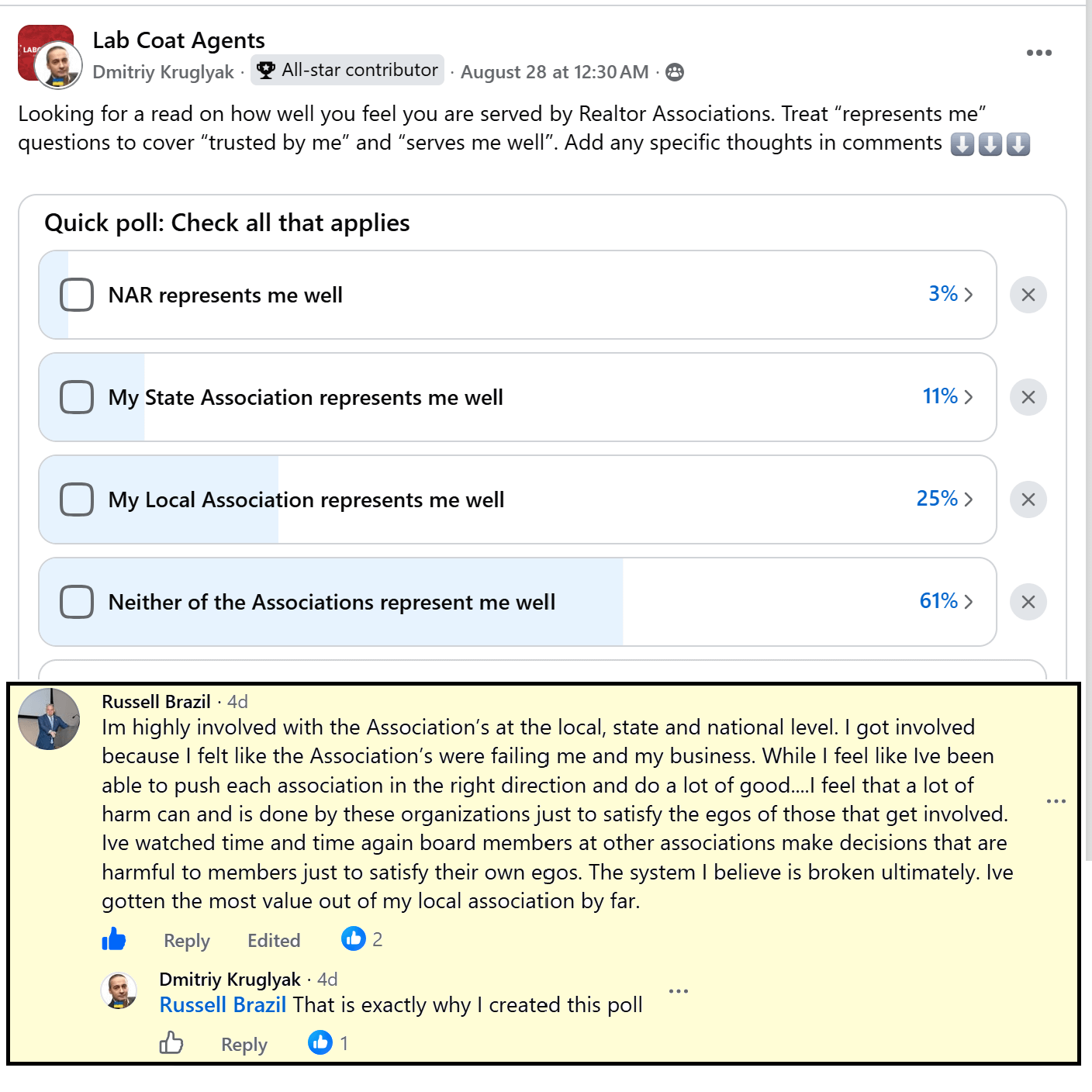
In a recent poll conducted within the Lab Coat Agents Facebook group, the numbers exposed a staggering chasm between the street-level real estate professionals and the institutions that govern them. Only 3% of respondents stated that “NAR represents me well”. When looking at state and local associations, the approval figures only climbed to 11% and 25%, respectively. Most damning of all, 61% of real estate professionals stated that none of the associations at any level represent their interests
In practice, this means the vast majority of dues-paying members feel completely voiceless. They do not see their daily transaction struggles, their anxieties over shifting commission structures, or their technological needs reflected in institutional policy. When a practitioner spends thousands of dollars annually in mandatory dues only to feel that their governance is detached from reality, structural frustration is inevitable. We can no longer treat these metrics as a minor grievance; they are an urgent call to realign our leadership with the actual needs of the membership
The Overton Window: Defining the Acceptable Discourse
Why is it so difficult for these institutions to respond to the needs of their members? The answer lies in the concept known as the Overton Window, which defines the range of ideas or policies that are considered politically acceptable within a society or an organization at any given time
As illustrated in the cartoon below, ideas move along the spectrum from “Unthinkable” to “Radical”, “Implausible”, “Plausible”, and finally into established “Policy”
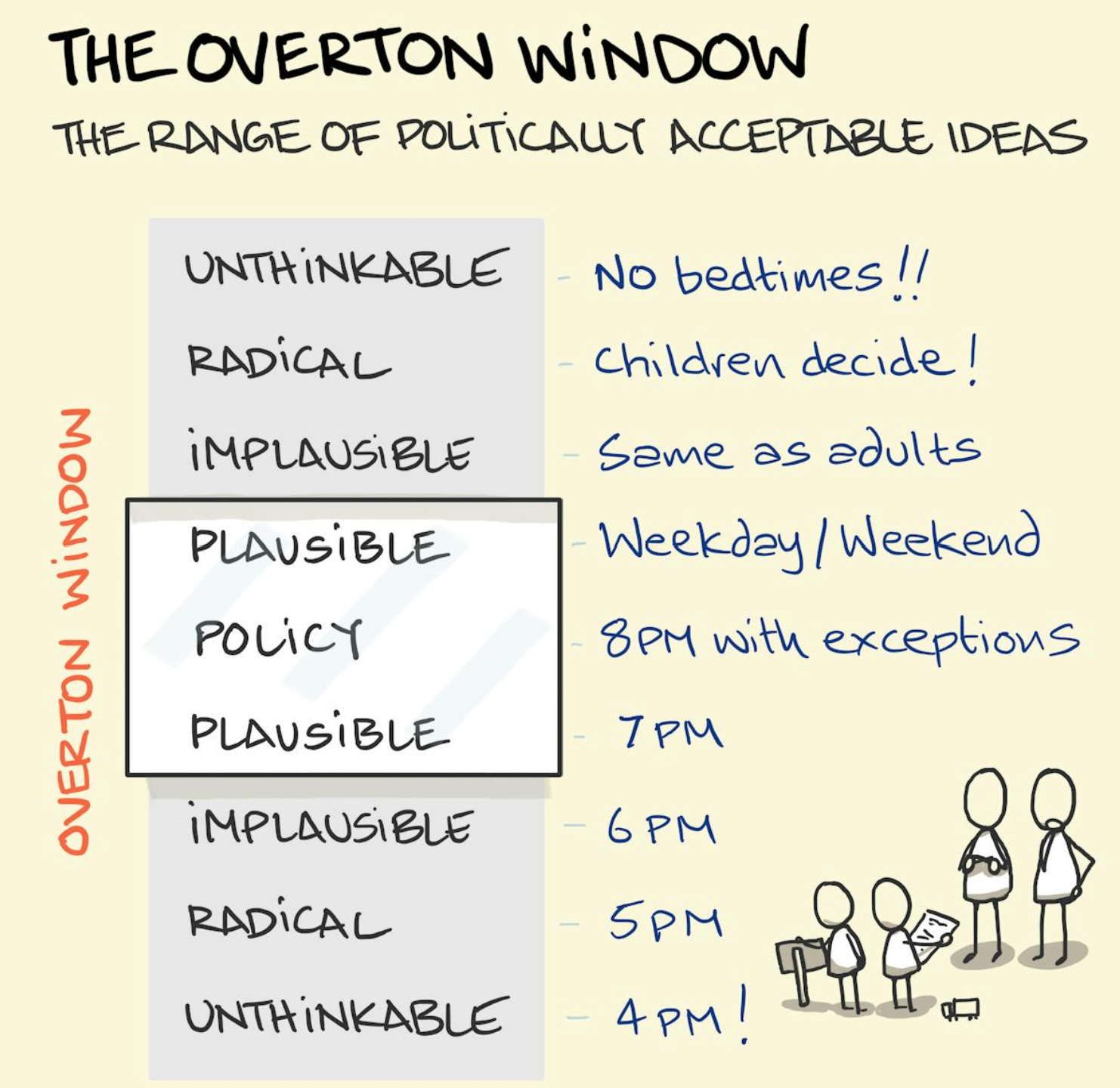
In the political culture of organized real estate, the window of acceptable discourse has been kept artificially narrow by deep-seated social mores and unwritten rules. For decades, it was considered “unthinkable” or “radical” to question how member dues are allocated, how technology strategies are vetted, or whether a committee’s decision-making process is fair or transparent. Hallway whispers were common, but public dissent was historically discouraged in favor of “institutional harmony”
These artificial constraints create massive blind spots. When constructive input is labeled as “disloyalty”, it shuts out the very insights needed to navigate change
However, the Overton Window is never fixed permanently; it shifts as movements for change introduce new ideas. Ironically, my recent forced removal from CAR meetings — an action meant to shrink the window and silence uncomfortable questions — had the exact opposite effect. Cutting me loose from bureaucratic constraints untied my hands and pushed the discourse out into public spaces
Mere existence of an independent publication like this Real Estate Futures Blueprint has already shifted the Overton Window. Views that were once whispered fearfully in the shadows are now being published openly and professionally in broad daylight, with many of the industry’s top leaders actively reading our contents
Attempts to silence and suppress the uncomfortable questions about the AI policy, triggered Streisand Effect, ensuring a much broader distribution of the ideas
Silent Pragmatists: The Future of Our Leadership
Moving the window is an opportunity to empower the most undervalued asset in our industry: the sheer number of brilliant, forward-thinking professionals currently operating at every level of our governance. I have met plenty of such individuals at local, state, and national meetings. They are the Silent Pragmatists
Like the frustrated commenter from our Lab Coat Agents poll, these individuals enter association governance with a genuine desire to make a positive impact. They bring fresh perspective and often notice problems ignored by the old-timers. Unfortunately, the institutional culture wraps them in a web of political and administrative routines and outdated rituals. Instead of focusing on delivering tangible results for the membership, they find their energy drained by the pressures to conform to the group as well as manage up and sideways
Our leadership culture must evolve to liberate these professionals. We need a framework that elevates substance over form, where a leader’s value is measured by the solutions they deliver rather than tenure and compliance with the script
To the pragmatists reading this now: the Overton Window is shifting. Speaking up is an act of stewardship for the future of our profession. You are not alone, and our membership is waiting for you to step up and make an impact
Process Worshippers: Ghosts of the Past Holding Us Back
To empower the pragmatists, we must candidly examine the mirror image that holds our institutions back: the archetype of the “Process Worshipper”
Those are the traditionalists whose professional identity is entirely wrapped up in the institutional approval. They are often the loudest voices in the room because they can easily fall back on tradition as a shield against change. When faced with complex technological shifts like Agentic AI or a critical governance flaw, they refuse to debate the actual substance of the issue. Instead, they hide behind meeting rules, selective enforcement of confidentiality, and obsolete administrative hierarchies
We all know this archetype. It is the legacy insider who treats leadership like an exclusive social club, using their tenure to engage in gatekeeping and dismissing innovation as a passing fad. Whenever systemic problems are brought up, they often deploy a form of toxic positivity, insisting everything is perfect while quietly blocking any member who dares to question the status quo
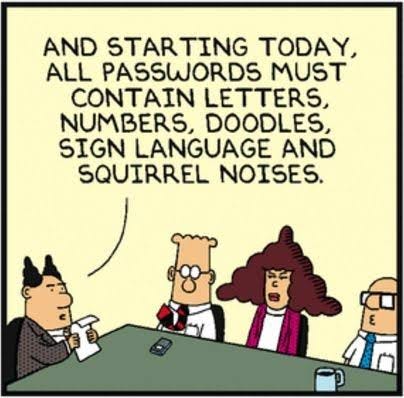
Leadership prioritizing process over results leads to absurd, rigid decisions that detach institutions from market realities. In our era of the business evolving at the lightning speed, reliance on a “broken clock” model of governance is a liability. An institution cannot function properly if the leadership spends more time protecting its own procedures than protecting the livelihoods of its members
As the industry evolves toward transparency and modernization, the traditionalists with this mindset will end up on the outside of the Overton Window
Path to Modernization: Breaking the Taboos
The real estate profession stands at a critical crossroads. We could continue down the path of insular gatekeeping, allowing “process worshippers” to hold us back with outdated notions, or we can choose a path of active modernization
To thrive in the technology-first future, our trade organizations must move past cosmetic tweaks and embrace genuine structural evolution. This means:
Empowering the Pragmatists: Elevating leaders who prioritize operational results, technological literacy, and member advocacy over administrative conformity
Dismantling Secrecy: Opening up the closed-door status-driven Committees and Boards to transparent, direct digital feedback loops that give every dues-paying professional a true voice in governance
Encouraging Business Model Diversity: Welcoming technological innovators and independent thinkers as collaborative partners rather than treating them as institutional threats
The age of opacity is over. Hierarchical structures that keep members in the dark are no match for the transparency pressures of the Internet & AI age